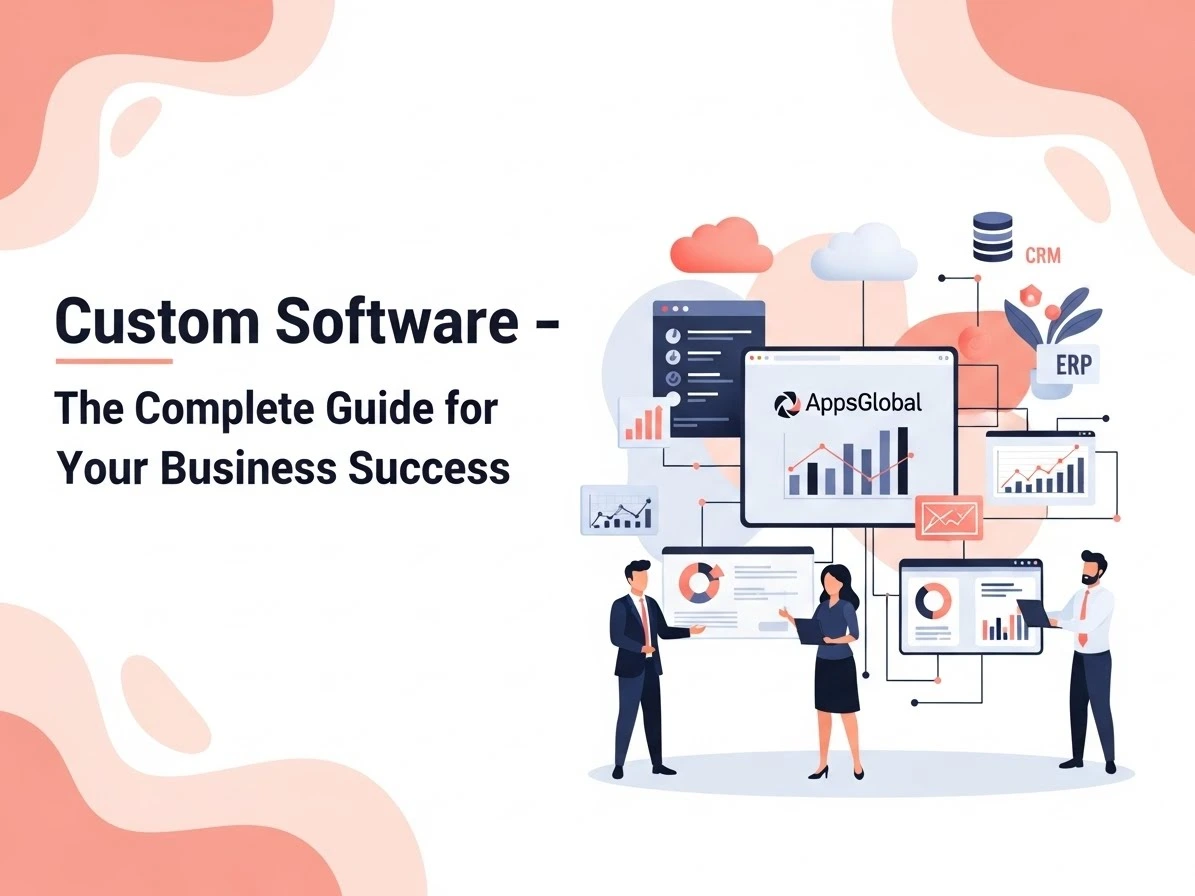

The digital age has transformed the way businesses operate, leading to increased reliance on technology and software solutions. While off-the-shelf software packages and tools have served businesses well for many years, the growing complexity of modern business processes has pushed many companies to consider developing custom software.
Custom software is tailored specifically to meet the unique needs and challenges of your business. While this can provide significant advantages in terms of functionality, scalability, and security, the decision to build custom software should not be taken lightly. It requires careful planning, strategic foresight, and a robust understanding of your organization’s needs and resources.
In this guide, we’ll explore the critical factors to help you assess whether your business is ready for custom software development. By the end, you’ll have a clear understanding of how to prepare your company for such an investment and how to set your development project up for success.
Understanding Custom Software Development
Custom software development refers to the process of designing, creating, deploying, and maintaining software solutions tailored specifically to a business's needs. Unlike off-the-shelf software, which is designed to serve a broad range of industries and use cases, custom software is built to address the unique workflows, features, and business objectives of a single organization.
There are several reasons why companies opt for custom software development:
Scalability: Custom software can grow alongside your business, ensuring that it adapts to changing demands and processes.
Competitive Advantage: By having software built around your unique needs, you can often gain a strategic edge over competitors who are still relying on generic solutions.
Integration: Custom software can be designed to integrate seamlessly with existing systems, databases, and tools.
Security and Compliance: With bespoke software, you have control over security features and can tailor them to meet your business’s regulatory requirements.
However, custom software development is a significant investment, both in terms of time and money. Therefore, businesses need to assess their readiness carefully before diving in.
Signs That Your Business is Ready for Custom Software Development
Before starting a custom software development project, it's important to evaluate your business's readiness. Consider the following signs to determine if you are prepared:
1. Outgrowing Off-the-Shelf Software
One of the most common reasons businesses move toward custom software is that they’ve outgrown their off-the-shelf software solutions. While off-the-shelf software can be effective for small businesses or those with simple processes, it often becomes limiting as a business expands.
For instance, when your team is forced to use workarounds to make software work or deal with a lack of features that would be beneficial to your operations, it might be time to move to a custom solution. Similarly, if your business processes are becoming too complex for the tools you are currently using, off-the-shelf software might be inadequate.
Indicators that you have outgrown your current software include:
Frequent system crashes or slow performance as your business scales
Difficulty in customizing or integrating the software with other tools or systems
Lack of essential features needed to run your business efficiently
The software no longer supports business-specific processes or workflows
High ongoing subscription costs for off-the-shelf software with limited customization options
If you’re facing these problems, custom software might be a better solution, as it can be tailored to fit your specific business needs.
2. Unique Business Processes or Requirements
Does your business follow a unique set of processes or have specific needs that aren't addressed by current solutions in the market? If so, off-the-shelf software may not serve you effectively. Every industry has different requirements, and businesses often have proprietary processes that off-the-shelf software cannot easily accommodate.
For example, a company in the healthcare sector may require a custom solution to meet specific patient data privacy regulations and ensure seamless integration with existing medical equipment. Similarly, a logistics company may need custom software to manage its supply chain more efficiently.
If your business is constantly searching for software solutions that fit its specific needs but continuously faces limitations, it’s a sign that custom software could be the solution.
3. Increasing Need for Data Integration
Modern businesses rely on data to drive decision-making. In many cases, companies use multiple software tools to handle different parts of their operations, sales, marketing, customer service, inventory management, etc. This can lead to fragmented data and difficulty in obtaining a unified view of your business.
Custom software allows businesses to integrate multiple systems, tools, and data sources into one platform. This improves data accuracy, enhances reporting capabilities, and increases operational efficiency.
If your business is experiencing difficulties in connecting different systems or accessing relevant data from various sources, it’s a sign that custom software might be the right choice.
4. Growth and Scalability Challenges
As your business grows, its software needs to scale accordingly. Off-the-shelf software is typically designed to handle a specific set of requirements and may not be able to scale as your business expands. Whether it’s managing a growing customer base, handling larger datasets, or supporting an increasing number of users, your software should evolve with your business.
Custom software can be designed with scalability in mind, ensuring that it meets the growing needs of your business without sacrificing performance. If you foresee significant growth in the next few years and need a solution that can adapt to those changes, custom software development may be the right path forward.
5. A Strong Financial Foundation and Commitment to Long-Term Investment
Custom software development is an expensive and time-consuming endeavor. On average, building custom software can cost anywhere from tens of thousands to millions of dollars depending on the scope and complexity of the project.
It’s essential that your business has the financial stability and long-term vision to commit to such a project. Custom software is an investment, and the ROI (return on investment) often comes over time as the software begins to streamline your operations and increase efficiency.
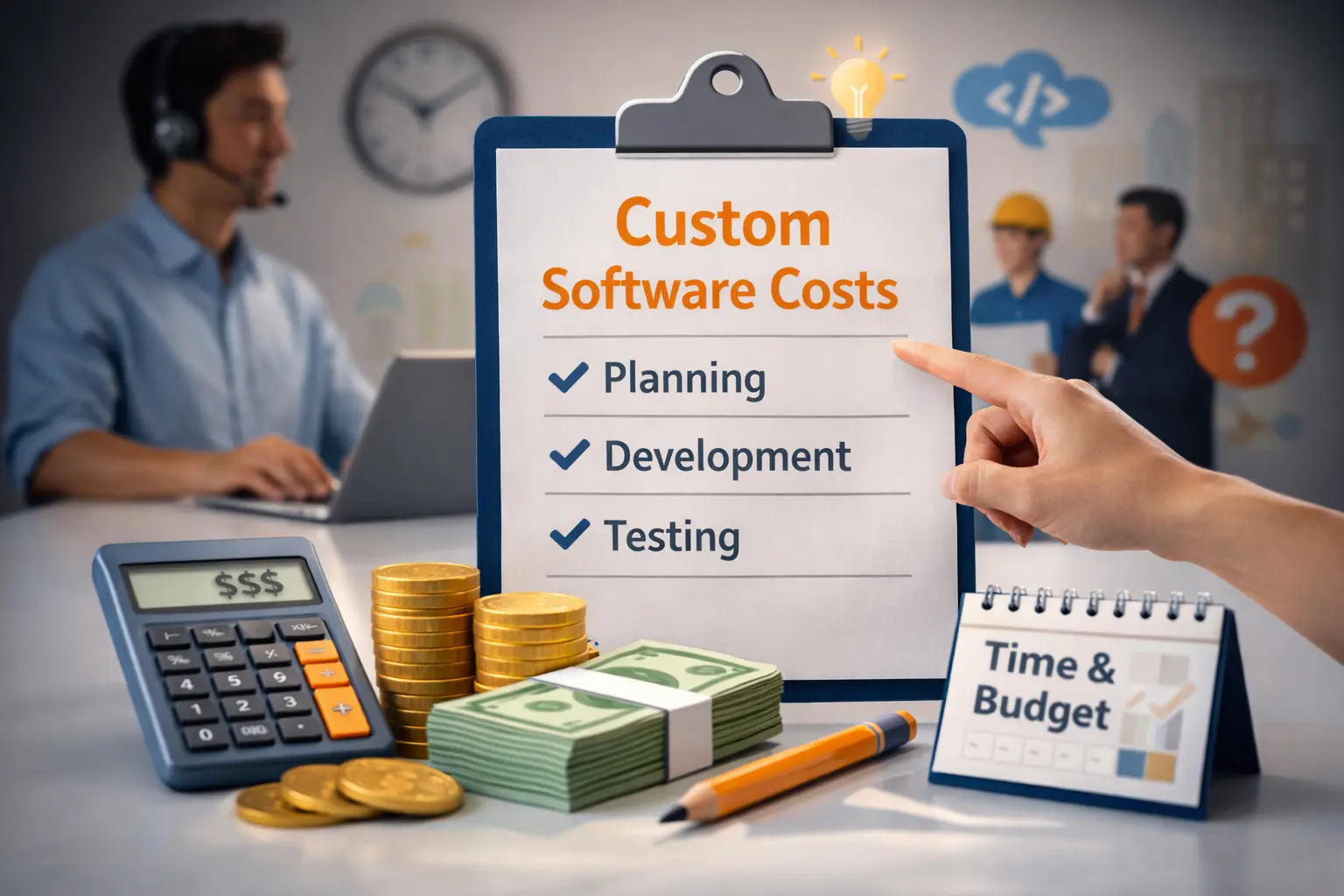
The costs associated with custom software development include:
Initial development costs for designing, building, and testing the software
Ongoing maintenance and support to ensure the software continues to meet your needs over time
Training and onboarding for employees to effectively use the new software
Scalability and upgrades as your business grows
If your business is financially sound and you’re committed to long-term growth, custom software could offer substantial benefits.
How to Prepare for Custom Software Development
Once you've determined that your business is ready for custom software, the next step is to prepare for the development process. The success of your custom software project depends heavily on the planning and groundwork that you lay out beforehand.
1. Clearly Define Your Business Goals and Objectives
Before embarking on custom software development, you need to have a clear understanding of what you hope to achieve. What business problems are you looking to solve? How will the software improve your operations, customer experience, or overall business performance?
Make sure to involve all relevant stakeholders, including team members, managers, and department heads, in the goal-setting process. Defining clear objectives ensures that everyone is aligned and that the software meets the needs of various teams within your organization.
2. Understand the Scope of the Project
Define the scope of your custom software project in detail. This includes identifying the features and functionality you require, the platforms or devices that need to be supported (e.g., desktop, mobile), and the timeline for development.
One of the key benefits of custom software is that it can be developed specifically for your use case, but it also means that you need to specify all of your requirements upfront. A well-defined project scope helps avoid scope creep (unplanned changes or additions during the development process), which can lead to delays and cost overruns.
3. Choose the Right Development Partner
Selecting the right development partner is one of the most important decisions in the custom software development process. It’s essential to choose a vendor that understands your business needs, has a proven track record of delivering high-quality solutions, and can provide ongoing support as your software evolves.
Look for a development team that specializes in custom software development, and ensure they have experience in your industry. Request case studies or references from past clients to assess their expertise and ensure that they are capable of handling your specific requirements.
4. Plan for Change Management and Training
Introducing custom software into your business will require a shift in processes and workflows. It's important to plan for change management and ensure that your team is ready to adapt to the new software. Provide comprehensive training to employees so they can use the system effectively.
Engage with the development team to create training materials, such as user manuals and help guides, to support employees during the transition. Offering continuous support during the rollout phase ensures a smoother adoption process.
1. What is custom software development?
Custom software development refers to the process of designing and building software tailored specifically to meet the unique needs and challenges of a business, rather than using generic, off-the-shelf solutions.
2. Why should my business consider custom software?
If your business is outgrowing off-the-shelf solutions, needs specific features, or requires better data integration, custom software can provide tailored functionality, scalability, and a competitive edge.
3. How do I know if my business is ready for custom software?
If you’re experiencing issues with your current software, such as frequent crashes, lack of needed features, or difficulty scaling, or if you have unique business processes, it might be time to consider custom software.
4. How much does custom software development cost?
The cost varies depending on the complexity of the software, ranging from tens of thousands to millions of dollars. The price also depends on factors like development team location and the scope of the project.
For a detailed breakdown of our pricing and how we offer competitive rates, visit our Cost & Pricing page.
5. What are the benefits of custom software over off-the-shelf software?
Custom software can be tailored to your business’s specific needs, offering better functionality, scalability, integration with other systems, and security that off-the-shelf solutions can’t provide.
6. How long does it take to develop custom software?
The timeline depends on the complexity and scope of the project, but it can range from a few months to over a year. A well-planned development process and clear project scope can help speed up the timeline.
7. How can I choose the right development partner?
Look for a development team with experience in your industry, a proven track record, and expertise in building custom software. Evaluate them based on past projects, client feedback, and their approach to problem-solving. Apps Global is your go-to partner for custom software development, providing tailored solutions that perfectly align with your business needs.
8. What is the discovery phase in custom software development?
The discovery phase involves gathering detailed requirements, defining goals, and creating a roadmap for the project. This phase is essential for understanding your business’s needs and avoiding costly mistakes later in development.
9. How will custom software affect my team?
There will likely be a learning curve as your team transitions to the new system. Be sure to plan for employee training and offer ongoing support to ensure smooth adoption and minimize disruptions.
10. Is custom software development a long-term investment?
Yes, while it requires a significant upfront investment, custom software can provide long-term benefits such as increased efficiency, scalability, and the ability to adapt to changing business needs.
Final Thoughts
Custom software development offers a wealth of benefits for businesses that need solutions tailored to their specific needs. However, it’s not a decision to be taken lightly. Ensuring that your business is ready to take on such a project involves evaluating your current software solutions, identifying business requirements, and preparing financially and strategically.
By carefully considering your company’s readiness and following the steps outlined above, you can set your business up for success in the development of custom software that will enhance operations, improve productivity, and drive long-term growth.
If your business is outgrowing its current tools or experiencing inefficiencies with off-the-shelf software, it may be time to consider a custom solution that works for you. Remember that investing in the right software, designed to meet your business’s specific needs, can lead to tremendous competitive advantages in the long run.